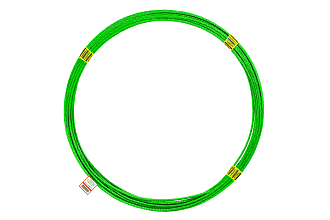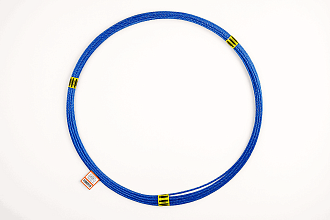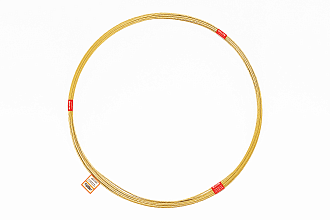
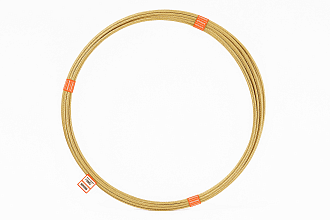
ASK-12 ETIZ (Coil 50 lin.m)
in stock
₽52.80 / lm

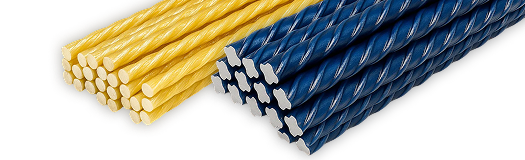
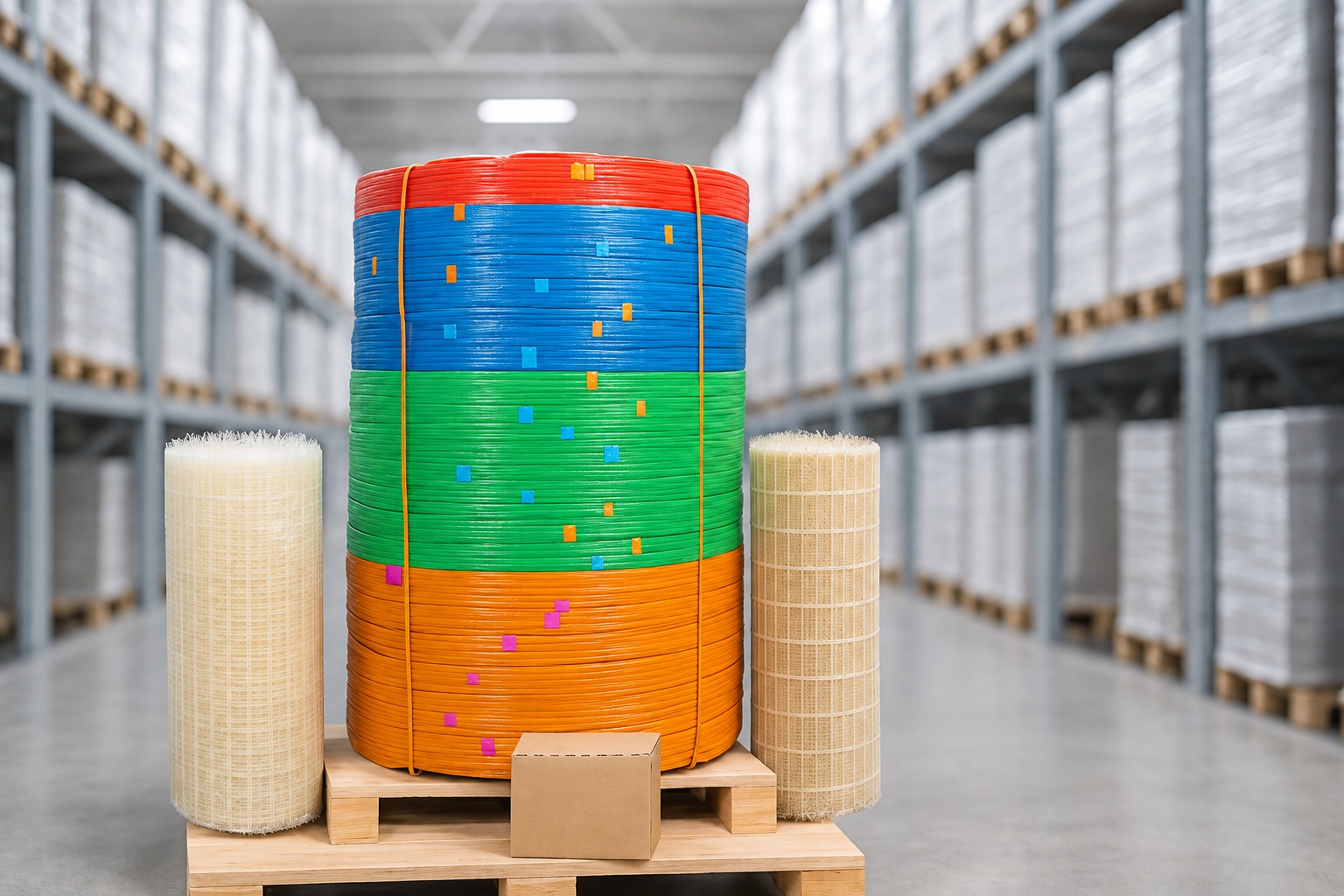
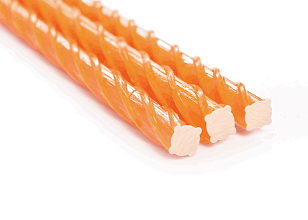
A modern reinforcing material made from fiberglass (FRP) or basalt (BRP) fibers bonded with thermosetting resins. The manufacturing process involves impregnating fibers with a polymer binder followed by curing in a furnace at high temperature, ensuring high strength and durability. In accordance with GOST 31938-2012, the material is produced as reinforcing bars with a ribbed surface or sand coating to improve bonding with concrete.
Key features: high specific strength; corrosion resistance, does not conduct electricity, and has low thermal conductivity.
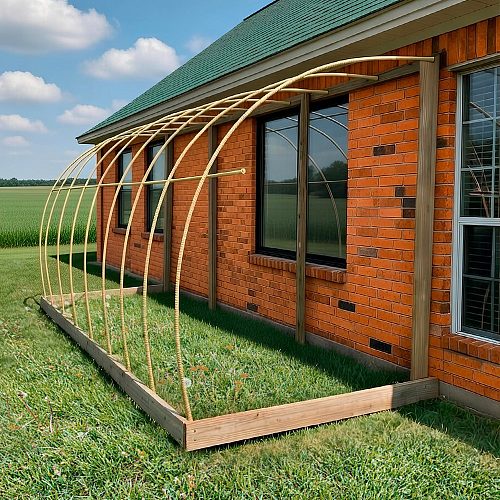
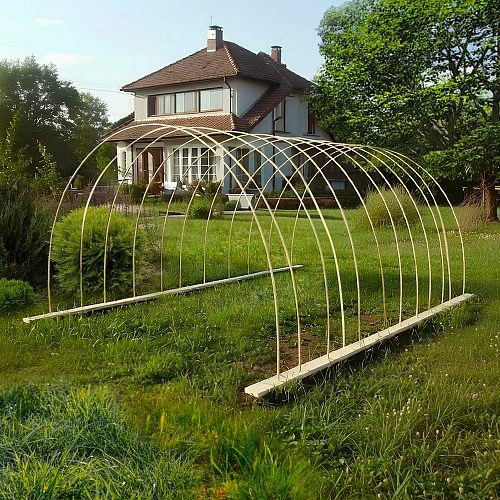
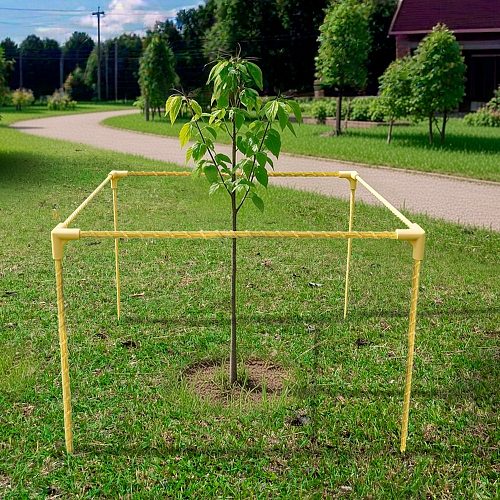
Fiberglass rebar is actively used in various areas of the construction industry thanks to its unique properties of reliability and durability. The main areas of application include: construction of residential buildings and industrial facilities; road and infrastructure construction; hydraulic engineering structures; seismic-resistant structures; and private construction.

Leave your contact details and we will get back to you shortly
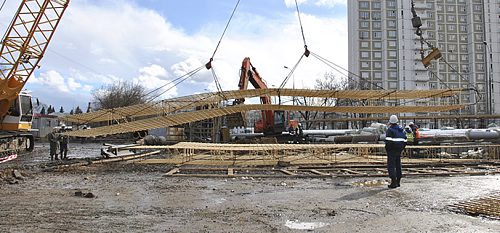
Композитная арматура
Foundations and supports
10.06.2017 — 01.10.2018
МОСИНЖ ПРОЕКТ
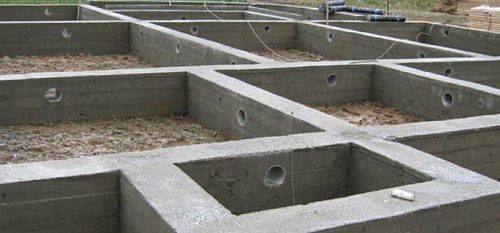
Композитная арматура
Foundations and supports
07.03.2016 — 07.06.2016
Частник
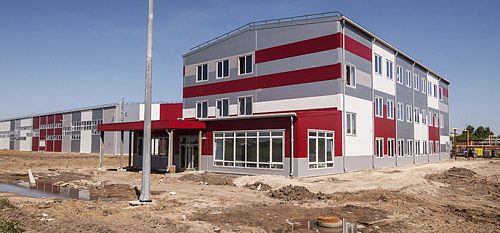
Композитная арматура
Foundations and supports
22.04.2016
«УРАЛКРАН»
A Russian developer and manufacturer of innovative high-tech construction materials
We run two large plants with modern equipment and strict quality control, which is how we deliver consistent, faultless product quality
on the market
with registered
patents
of production space




37 cubic metres of ETIZ® Standard were used. Foam glass thickness — 80 mm.