

Паростекло ETIZ — негорючие тепло- и звукоизоляционные плиты из вспененного жидкого стекла
Что такое паростекло
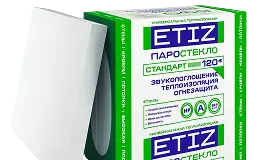
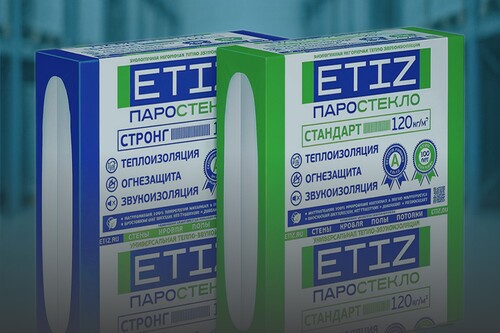
Паростекло — негорючий утеплитель и звукопоглощающий материал в виде жёстких плит на основе натриевого жидкого стекла. Жидкое стекло вспенивают механическим способом и отверждают при 27–40 °C, без высокотемпературного спекания, как у пеностекла. Поэтому у паростекла открытая пористая структура: плита одновременно утепляет, поглощает звук и не горит (группа горючести НГ). Технология защищена патентом РФ № 2455252, требования к материалу установлены ГОСТ Р 72564-2026.
Сейчас в каталоге — теплоизоляционные плиты «Паростекло ЭТИЗ Термо» плотностью 150 кг/м³ с теплопроводностью 0,044 Вт/(м·К) и потолочные панели «Акустик НГ». Разработка паростекла началась в 2008 году в Ивановском государственном химико-технологическом университете (ИГХТУ), с 2010 года материал выпускается под маркой ETIZ.
Каталог паростекла: теплоизоляционные плиты и акустические панели
Плиты «Паростекло ЭТИЗ Термо» в наличии
| Размер | Плотность | В упаковке | Наличие | Цена |
|---|---|---|---|---|
| 500 × 500 × 50 мм | 150 кг/м³ | — | в наличии | |
| 500 × 500 × 100 мм | 150 кг/м³ | — | в наличии | |
| 550 × 550 × 50 мм | 150 кг/м³ | — | в наличии | |
| 550 × 550 × 100 мм | 150 кг/м³ | — | в наличии | |
| 600 × 600 × 50 мм | 150 кг/м³ | 4 плиты | в наличии | |
| 600 × 600 × 100 мм | 150 кг/м³ | 2 плиты | в наличии | |
| 600 × 600 × 120 мм | 150 кг/м³ | — | в наличии |
Преимущества паростекла
Не горит
Группа горючести НГ. При воздействии открытого пламени не выделяет ядовитых и токсичных веществ, при пожаре не спекается и не оседает, плавится при 1350 °C. Может использоваться в противопожарных отсечках.
Утепляет без мостиков холода
Теплопроводность плит «Термо» — 0,044 Вт/(м·К). Жёсткие плиты с точной геометрией и ровными краями: минимальный размер стыковочного шва, на стыках плит не образуются мостики холода.
Поглощает звук
Звукопоглощение класса А. Открытопористая структура гасит звук: звукоизоляция в конструкции — до 54 дБ, собственный показатель плиты — +27 дБ к конструкции.
«Дышит»
Паропроницаемость 0,5 мг/(м·ч·Па): в здании нет эффекта «парника», материал создаёт комфортный влажностный режим и не разрушает конструкцию.
Переносит намокание и мороз
При аварийном намокании высыхает без потери свойств и размеров при положительной температуре и проветривании. 100 циклов морозостойкости без трещин и вздутий.
Экологичен и биостоек
Минеральный материал без фенольно-полимерных связующих. Не пахнет, устойчив к грызунам, насекомым, плесени и гниению.
Технические характеристики паростекла
| Линейка в каталоге | «Паростекло ЭТИЗ Термо» — теплоизоляционные плиты; «Акустик НГ» — потолочные панели |
|---|---|
| Плотность | «Термо» — 150 кг/м³ |
| Размер плит «Термо» | 500 × 500, 550 × 550 и 600 × 600 мм; возможен заказ индивидуальных размеров и толщин |
| Толщина плит «Термо» | 50, 100 и 120 мм |
| Панели «Акустик НГ» | 600 × 600 мм, толщина 15 и 20 мм, кромка A и E, белые и чёрные |
| Теплопроводность | «Термо» — 0,044 Вт/(м·К); для плит 120 и 180 кг/м³ — 0,045–0,050 Вт/(м·К) при 25 °C |
| Паропроницаемость | 0,5 мг/(м·ч·Па) |
| Класс горючести | НГ / КМ0 |
| Нормативный документ | ГОСТ Р 72564-2026; плиты «Термо» — ТУ 23.99.19-004-50954087-2026 |
| Звукопоглощение | класс А (высший) |
| Звукоизоляция | до 54 дБ в конструкции; +27 дБ к конструкции — собственный показатель |
| Морозостойкость | 100 циклов без образования трещин и вздутий |
| Водостойкость | водонерастворимый |
| Температура | верхний предел эксплуатации 750 °C, плавится при 1350 °C |
Результаты испытаний плит плотностью 120 и 180 кг/м³
| Теплопроводность в условиях эксплуатации А / Б | 0,056–0,060 / 0,061–0,067 Вт/(м·К) |
|---|---|
| Прочность на сжатие | 0,24–0,36 МПа |
| Огнезащитная эффективность | 71 мин — плита 50 мм, 180 кг/м³; 90 мин — плита 100 мм, 180 кг/м³; 150 мин — плита 50 мм со шпаклёвкой 15 мм |
Оставьте ваши контактные данные, и мы свяжемся с вами в ближайшее время
Паростекло, пеностекло, минвата и пенополистирол: сравнение
| Параметр | Паростекло ETIZ | Минеральная вата | Пеностекло | XPS | Пенополистирол |
|---|---|---|---|---|---|
| Плотность, кг/м³ | 120–180 («Термо» — 150) | 30–200 | 120–200 | 22–45 | 15–35 |
| Теплопроводность, Вт/(м·К) | 0,044–0,050 | 0,036–0,045 | 0,04–0,07 | 0,032 | 0,039 |
| Паропроницаемость, мг/(м·ч·Па) | 0,5 | 0,3 | 0,002 | 0,005 | 0,05 |
| Прочность на сжатие, МПа | 0,24–0,36 (плиты 120 и 180 кг/м³) | 0,04 | 0,7–2 | 0,2 | 0,07 |
| Горючесть | НГ | НГ | НГ | Г1–Г4 | Г1–Г4 |
| Огнестойкость, мин | 71 — огнезащитная эффективность плиты 50 мм, 180 кг/м³ | 30–240 — огнестойкость конструкции со спец. материалами | 30 (40 мм) — 60 (100 мм), 140 кг/м³ | нет | нет |
| Звукопоглощение | класс А | класс А — только спец. материал для внутреннего применения | нет данных | нет данных | нет данных |
Когда выбирают паростекло
- Нужен негорючий утеплитель, который одновременно поглощает звук.
- Важна паропроницаемость — «дышащие» стены без эффекта «парника».
- Нужны жёсткие плиты с точной геометрией, которые не оседают и не пылят.
- Монтаж на цементный клей, под штукатурку и покраску.
Когда подойдёт другой материал
- Пеностекло прочнее на сжатие и меньше впитывает воду — его выбирают для узлов ниже уровня земли: цоколя и отмостки.
- Если негорючесть и акустика не нужны, дешевле обойдутся пенополистирол и XPS — но они горючие (Г1–Г4).
Технология производства паростекла: вспенивание без спекания
Ключевое отличие паростекла от традиционного пеностекла — в технологии производства. Для получения материала не требуется спекание при очень высоких температурах: паростекло формируется за счёт вспенивания жидкого стекла и последующего отверждения. Такой подход упрощает производственный процесс, снижает энергозатраты и даёт материал с открытой пористой структурой.
- РазвариваниеСиликатная глыба (кварцевый песок и сода) разваривается в автоклаве до жидкого состояния.
- ВспениваниеЖидкое стекло вспенивается в миксере механическим способом с пенообразователем.
- ФормованиеМасса разливается по формам.
- ОтверждениеОтверждение при 27–40 °C: удаляется вода, увеличивается вязкость.
- РезкаГотовый блок режется на плиты заданных размеров.
Где применяют паростекло
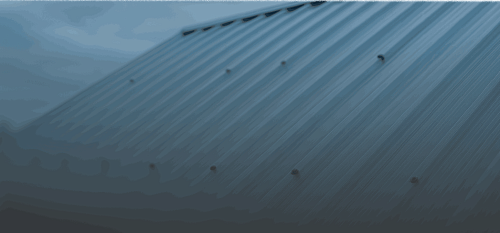
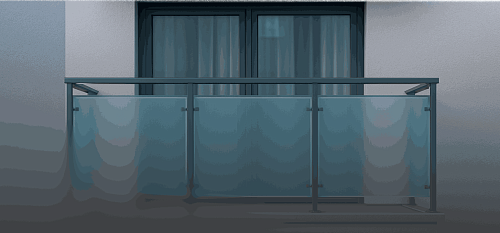
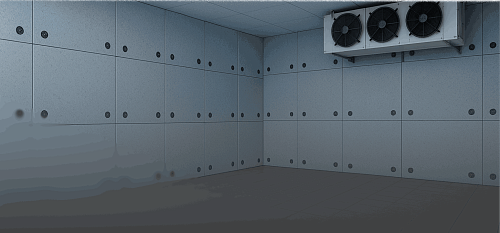
Паростекло ETIZ применяется в гражданском, промышленном и частном строительстве: в фасадах, кровлях, перекрытиях, перегородках, полах, технических помещениях и на объектах, где важны негорючесть и стабильность материала. Все области применения

Монтаж и хранение
Как монтировать
Паростекло легко монтируется, крепится, режется, шлифуется, штукатурится и красится; клеится на обычный клей на цементной основе. На строительной площадке плиты пилятся обычной пилой и не образуют колких элементов. Расход шпаклёвки такой же, как у традиционных теплоизоляционных материалов.
Что важно учесть
- Плиты хрупкие: на площадке с ними нужно обращаться бережно, хранить на поддонах на сухой ровной поверхности, в заводской упаковке.
- Плиты можно ставить на торец высотой не больше трёх пачек (1,8 м).
- Хранить в защищённом от дождя помещении, при монтаже защищать от попадания избыточной влаги.
- В трёхслойной стене между паростеклом и облицовочным кирпичом обязателен зазор 20–30 мм для естественной вентиляции утеплителя.
Стандарты и документы
- ГОСТ Р 72564-2026«Изделия теплоизоляционные и звукопоглощающие на основе вспененного жидкого стекла. Технические условия». Утверждён приказом Росстандарта от 18.02.2026 № 150-ст. Разработан по инициативе и при содействии ETIZ.
- Техническое свидетельство Минстроя РоссииВ 2017 году паростекло ETIZ получило техническое свидетельство Минстроя России, в 2019 году его действие было подтверждено.
- Техническое свидетельство Республики БеларусьВ 2018 году теплоизоляционные изделия «ЭТИЗ Паростекло» получили техническое свидетельство в Республике Беларусь.
- Патент РФ № 2455252Защищает технологию получения паростекла.
- ТУ 23.99.19-004-50954087-2026Технические условия на плиты «Паростекло ЭТИЗ Термо».
- Сертификат № 155 от 20.09.2011Экологичность и безопасность теплоизоляции ETIZ подтверждена сертификатом № 155 от 20.09.2011.

Объекты с паростеклом
-
Примененный материал
Паростекло
-
Сфера применения
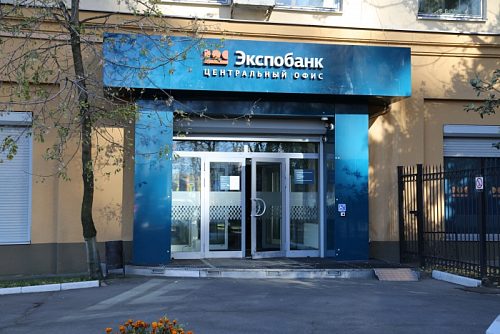
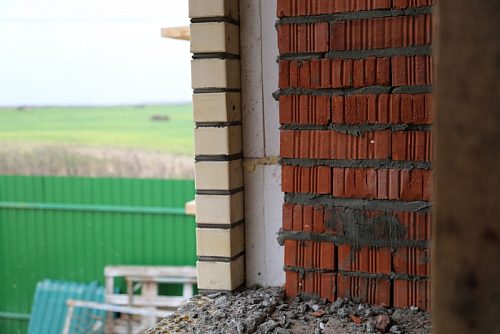
Утепление плоской кровли
-
Строитель
ЭкспоБанк
-
Примененный материал
Паростекло
-
Сфера применения
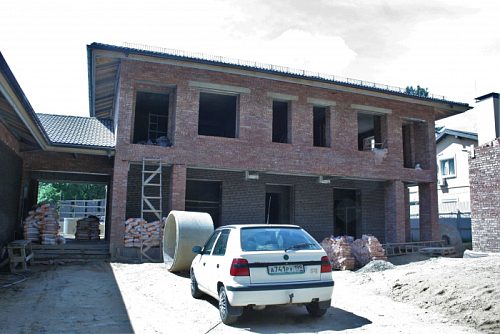
Утепление лоджий и балконов
-
Строитель
Частный застройщик
-
Примененный материал
Паростекло
-
Сфера применения
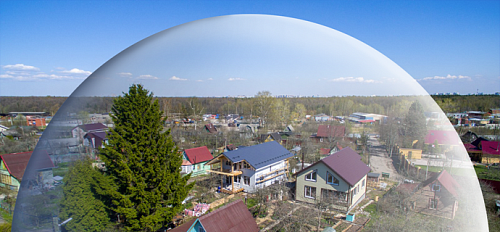
Утепление скатной кровли и мансард
-
Строитель
Частный застройщик
-
Примененный материал
Паростекло
-
Сфера применения
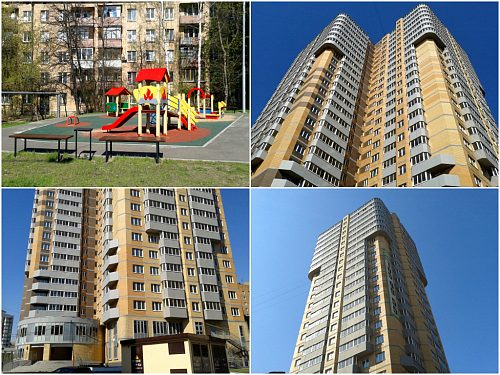
Наружные стены
-
Примененный материал
Паростекло
-
Сфера применения
Утепление лоджий и балконов
Цена паростекла и расчёт количества
Дорог материал, но не смета строительства. По оценке производителя, в комплексе с работами выбор паростекла ETIZ увеличивает смету строительства на 1–2 %. В коммерческом предложении покажем расчёт для вашего объекта.
Стоимость зависит от формата, толщины, объёма и региона доставки. Пришлите площадь или проект — подберём материал, рассчитаем количество плит и пришлём КП.
Российский разработчик и производитель инновационных высокотехнологичных строительных материалов
Мы — это два крупных завода по производству продукции, с современным оборудованием и жестким контролем качества, что позволяет нам выдавать безупречное и стабильное качество продукта
-
18 лет
на рынке
-
27 стран
с зарегистрированными
патентами -
23 тыс кв.м
производственных площадей


Частые вопросы о паростекле
Что такое паростекло?
Чем паростекло отличается от пеностекла?
Чем паростекло отличается от минеральной ваты?
Горит ли паростекло?
Впитывает ли паростекло влагу и что будет при намокании?
Разрушится ли паростекло, если влага в нём замёрзнет?
Можно ли утеплять паростеклом фасад?
Подходит ли паростекло для кровли?
Можно ли использовать паростекло как акустический материал?
Важна ли плотность паростекла для теплоизоляции?
В каком виде выпускается паростекло?
Можно ли резать паростекло на объекте?
Как хранить паростекло?
Какие документы подтверждают характеристики паростекла?
Увеличится ли расход штукатурных смесей на паростекле?
Паростекло пахнет?